Skip Hire in Kings Cross
Skip hire in Kings Cross gives households, landlords, builders and commercial teams a practical way to manage bulky waste, mixed renovation debris and regular clear-outs without turning the job into a series of separate trips. Our service is centred on straightforward container delivery, collection and disposal, with options suited to domestic projects, trade work and property clean-downs. If you need space cleared efficiently and want a simple route to arrange it, skip hire remains one of the most adaptable choices.
The right container depends on the type and amount of waste you expect to produce. A compact skip can suit a bathroom rip-out or loft clear-out, while a larger one is more appropriate for construction rubble, timber, packaging and heavier mixed loads. We can help you think through the size, access and loading approach so the skip chosen for Kings Cross matches the job rather than creating extra handling later. If you are planning work around a tight schedule, it is sensible to request a quotation once you have a rough idea of the waste type.
Use the service when you need an organised collection point for rubbish that is unsuitable for ordinary bins. Typical projects include home refurbishments, end-of-tenancy clearances, shop fit-outs and garden work, each of which produces different waste streams. For clearer pricing, keep in mind that volume, material type and placement can all influence the quote. Tell us what you are clearing, and we can shape the options around the job rather than forcing a one-size-fits-all arrangement. For straightforward planning, you can also read more about skip sizes and prices.
Domestic and trade waste arranged to suit the job
Many customers use skips for renovation debris, old fixtures, broken furniture and general mixed waste that builds up during a project. Domestic loads often need a sensible balance of capacity and access, while trade work may require something that can deal with dense materials such as soil, tiles, bricks or timber. Our service is designed to support both: it gives you one place to load waste as the work progresses, then removes it in a single collection once the job is ready.
For larger or more involved refurbishments, it helps to separate the likely waste streams before ordering. Heavier inert material behaves differently from lighter household clutter, and that affects the best skip size and the way it is filled. Some customers prefer to arrange a skip for the main waste and then a second collection if the project grows; others need a single container that can handle a steadier mix of debris. Builders waste removal can be a useful option where construction waste is the main issue and regular loading needs a practical, contained solution.
When you are comparing ways to clear a site, it is worth considering how much manual handling is involved. A skip can reduce repeated lifting and keep the work area more orderly, particularly where the waste is being produced over several days. For jobs that generate awkward or bulky items, the decision is not only about capacity but also about convenience and containment. Our aim is to make disposal feel manageable rather than disruptive, whether the job is at a house, unit or workplace.
Choosing the right container and access plan

Access is often the practical detail that makes the biggest difference to a skip hire booking. Narrow roads, controlled entry points, shared courtyards and limited parking can affect where a container can go and how long it stays accessible. A good arrangement takes into account the path from the waste source to the skip, the level of loading, and whether a standard delivery or an alternative arrangement would be better. Where access is tight, it may be worth looking at wait and load skip hire as a more suitable option for some sites.
Placement also matters when the load is a mix of heavy and light material. Items that are easy to lift should go in first, with bulkier waste positioned so it does not create voids or unstable piles. For mixed renovation work, it is sensible to keep an eye on the balance of the container as you load it, especially if the waste includes dense rubble alongside lighter packaging. If you need help thinking through whether a standard container or a more contained format is better, enclosed and lockable skip hire may be worth considering for certain property or site conditions.
Good planning is not about overcomplicating the order; it is about avoiding unnecessary disruption once the skip is in place. One short discussion about the type of waste, where the container will sit and how quickly the load will build up is usually enough to narrow the choice. If you are preparing a quotation request, a brief description of the project is often more useful than a long list of assumptions. For customers who want to move quickly, a simple note of the waste type and timing can be enough to get the process underway.
Skip hire for building, clearance and disposal work
Some jobs are best understood by the kind of waste they create. Building projects may involve bricks, plasterboard, timber offcuts and packaging. Clearance work can bring together furniture, mixed household items and loose clutter. Disposal tasks can also include a combination of materials that need sorting before they leave site. Our service supports these common situations with a practical approach to collection and removal, so the waste can be dealt with in a structured way rather than left in piles.
Where the main task is construction-related, dedicated options may be useful. A booking for construction waste disposal suits projects where builders’ materials are the dominant load, while demolition waste removal is more appropriate when the work produces heavier, rougher debris from strip-out or knock-through work. Choosing the right route helps you match the service to the materials and avoid paying for unnecessary features that do not suit the job.
Clearances are often more varied because they combine items from different parts of a property. You may be dealing with old fixtures, broken storage, packaging and leftover contents in one go. In those situations, it helps to think about whether the load is mostly reusable household material, mainly rubbish, or a mixed set of items that need structured disposal. Practical waste separation at the outset can make loading faster and the booking more accurate, especially when the project is still evolving.
Domestic clear-outs, garages and lofts
Domestic projects often start small and then expand as rooms, cupboards or outbuildings are opened up. A skip can make that process simpler by giving you a fixed place to put broken furniture, unwanted household items, old flooring and packaging as you sort through the space. For a typical home clear-out, the appeal is not only the capacity but the convenience of removing waste in one organised step rather than finding several separate disposal routes.
If the work is mainly about stored belongings, old equipment or mixed clutter, you may also want to consider garage and loft clearance where the emphasis is on clearing awkward spaces rather than managing building rubble. For more extensive household jobs, house clearance can be a better fit when the volume is broader and the waste needs to be handled as part of an all-round clear-out. The most suitable option depends on what is being removed and how much sorting is needed before the collection.
Domestic customers often want a process that stays calm and predictable. That usually means thinking through what can go in the container, what must stay out, and how the access point will work on the day. A short list of the main waste types is often enough to guide the booking. If you are not sure whether your load is best handled by a skip or another disposal route, asking for a quotation is a sensible first step, because the details of the waste shape the right solution.
Waste types, sorting and recycling considerations
Different waste types call for different handling, even when they are all coming from the same project. Heavy inert material, mixed construction debris, household rubbish and recyclable items each behave differently when they are loaded and collected. A skip hire arrangement works best when the customer has a reasonable idea of the materials involved, because that helps match the container to the job and keeps the waste stream manageable once it leaves the site.
Where recycling is a priority, it may help to look at the broader disposal route rather than focusing only on the container. Waste recycling services are relevant when the aim is to deal with recoverable materials in a structured way, while recycling and sustainability offers a useful way to think about responsible disposal choices more generally. Not every load can be separated neatly, but it is often possible to reduce unnecessary mixed waste by considering the materials before they are thrown in.
- Keep heavy rubble separate from lighter general rubbish where possible.
- Check whether appliances, mattresses or other specialist items need separate handling.
- Do not overfill the container, as safe loading is part of an orderly collection.
- Set aside reusable items before the main disposal step if you want a cleaner final load.
Specialist collections for certain items and projects
Some loads are more specific than general rubbish and need a more focused disposal approach. Old appliances, furniture, garden cuttings, confidential material and hazardous items are examples of waste streams that may benefit from a dedicated service rather than being treated as ordinary mixed waste. Our overall skip hire offering sits alongside these more targeted routes, so customers can choose a disposal method that fits the contents rather than forcing everything into one pattern.
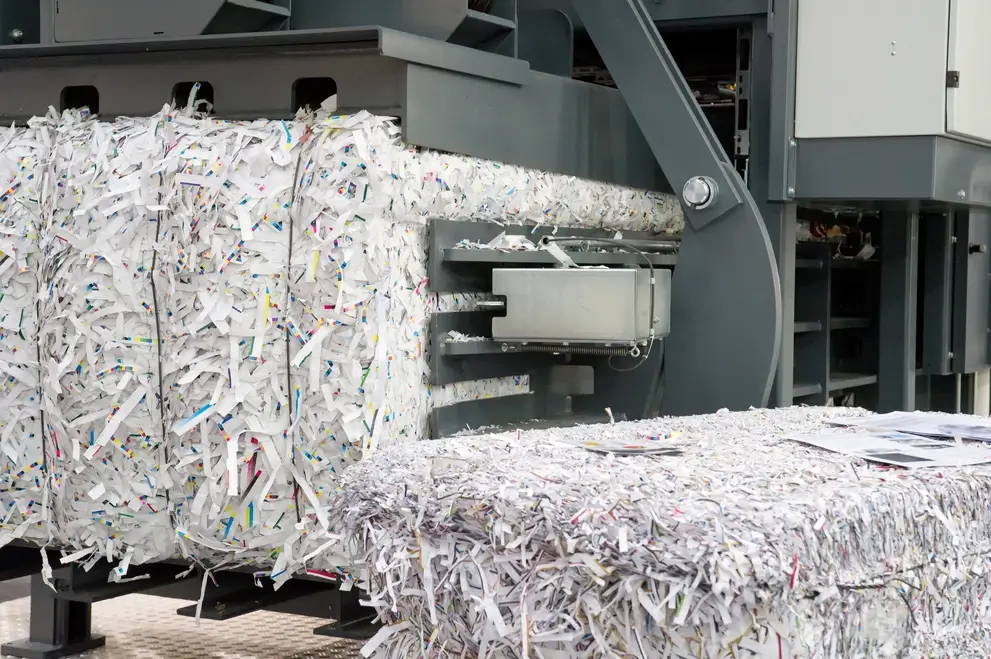
For instance, fridge and appliance removal is useful when electrical items need separate handling, while mattress and sofa disposal is suited to bulky household furniture that is awkward to manage with general waste. If your project produces cuttings, branches or turf, garden waste removal may be the simpler route. And where sensitive papers must be dealt with properly, confidential shredding is a more appropriate option than ordinary disposal.
The point of these specialist services is to help the load go to the right place in the right way. That matters for practical, legal and environmental reasons, but it also helps the booking feel clearer from the outset. If you have one unusual item inside a broader clear-out, it is worth mentioning it when you ask for a quotation, because the disposal route may need to be adjusted. That single detail can often prevent delays later.
Site work, muck away and larger commercial loads
Commercial and construction projects often produce waste in stages, so the disposal plan needs to keep pace with the work. That can mean a skip on site for steady loading, or a different collection method when materials are being removed in larger quantities. For soil, hardcore and similar excavated material, muck away services may be more suitable than a conventional mixed-waste arrangement, especially where the material is being produced as part of groundwork or landscaping.
Where access is difficult or the site changes quickly, grab hire services and grab lorry hire can be useful alternatives for bulky or loose waste that needs loading and removal with less manual transfer. For more general site tidying, site clearance is the relevant choice when the objective is to clear a work area back to a usable condition. These services can be particularly helpful on larger or more active premises where a fixed container is not always the best answer.
Commercial clients often want disposal to happen without disrupting the rest of the job. The best plan usually depends on how the waste is generated, whether it is being stored temporarily and how quickly it must be removed. That is why a clear description of the work is more useful than a vague request for a container. If you need to coordinate disposal with ongoing work, it helps to ask for a quotation that reflects the actual material, access and timing rather than a generic guess.
About Kings Cross

Kings Cross is an area in central London known for its rail history, dense urban development and the major transport interchange that has shaped its identity for more than a century. The name comes from a monument to King George IV that once stood near the junction now associated with the district, and the wider neighbourhood developed around the meeting of transport routes, industry and housing. Over time, the area moved from a nineteenth-century railway and warehouse landscape into a mixed district of offices, residential streets, institutions and regenerated public spaces. The redevelopment around King’s Cross Central has added contemporary architecture to a place long associated with railway infrastructure, while retaining the layered character of older streets and converted buildings nearby.
Skip sizes, loading limits and booking details
Choosing a skip is as much about the pattern of waste as the total amount. A large but lightly loaded project may not need the same container as a smaller job made up of dense material. That is why skip size and waste type should be considered together. Overloading, awkward stacking and mixed materials can all affect how well the collection works in practice, so the best booking is one that reflects the real project conditions rather than an idealised estimate.
If you are planning a booking, it can help to note three practical details before you enquire: the main material, the approximate amount and where the container will sit. Those points often tell us more than a broad description like “general wasteâ€. They also help distinguish between normal skip hire and other services such as same day skip hire or domestic skip hire, where the circumstances of the job may steer the arrangement. A careful description is usually the quickest route to a sensible recommendation.
For some customers, the most important question is not only what size to order but whether the waste should be loaded in one go or built up over time. A skip is helpful when the work is gradual, because it keeps the disposal point close to the source of the mess. If the project is more urgent, or if space is restricted, a different plan may be better. Either way, the goal is the same: keep the waste under control and arrange collection without unnecessary complexity.
Planning access, permits and practical restrictions

Where a skip is being placed on a road or in another controlled area, permissions may be relevant. It is sensible to check the access situation before the booking is confirmed, because the placement of the container can affect the arrangement as much as the waste itself. In some cases, a permit-based solution may be needed, while in others the skip can sit on private land without additional steps. The practical question is always the same: how can the container be positioned safely and legally for the duration of the hire?
For customers who want to read more about that part of the process, skip permits explains the subject in more detail, and skip hire permits gives a more direct route to the same topic. If you are mainly comparing hire options, skip hire is the broad service page, while builders skip hire and commercial skip hire are more specific where the project type already points in that direction. These pages help customers narrow the choice without guessing.
Once the practical side is clear, the booking becomes much easier to manage. You do not need to know every detail in advance, but it helps to have a reasonable outline of the waste, the access and the timing. Ask for a quotation when the scope is still fresh in your mind, because a concise request is usually enough to move forward. If you are ready to arrange the right solution for your project, request a quote today and tell us what needs to be cleared.